Periods of heavy rainfall can place significant strain on roofing systems, particularly on properties with ageing materials or minor existing defects. In Knighton, Leicestershire, prolonged or intense rain often reveals issues that may not be immediately visible during drier weather. Understanding the most common problems that appear after heavy rain helps homeowners act early and protect their property from further damage.
At Knighton Roofing Repairs, we regularly inspect and repair roofs affected by rainfall-related issues, helping property owners maintain reliable protection throughout the year.
1. Roof Leaks and Water Ingress
One of the most noticeable problems after heavy rain is water entering the property. Small gaps in tiles, flashing or joints can allow rainwater to penetrate the roof covering. Even minor leaks can spread moisture across timbers and ceilings, making early identification essential.
2. Dislodged or Slipped Roof Tiles
Heavy rain is often accompanied by strong winds, which can loosen or displace roof tiles. Once tiles shift out of position, they expose the underlying roof structure to direct water contact. This increases the risk of leaks and further tile movement during subsequent rainfall.
3. Blocked or Overflowing Gutters
Rainfall quickly highlights guttering issues. Debris such as leaves, moss and sediment can cause gutters to overflow, directing water back onto the roof edge or down exterior walls. This excess water can affect roof timbers, fascias and internal walls if left unresolved.
4. Saturated Roof Felt or Underlay
Modern roofs rely on felt or membrane layers as secondary protection beneath tiles. After prolonged rain, damaged or degraded underlay can become saturated, reducing its effectiveness and allowing moisture to reach the internal roof structure.
This issue often develops gradually and may only become apparent after persistent wet weather.
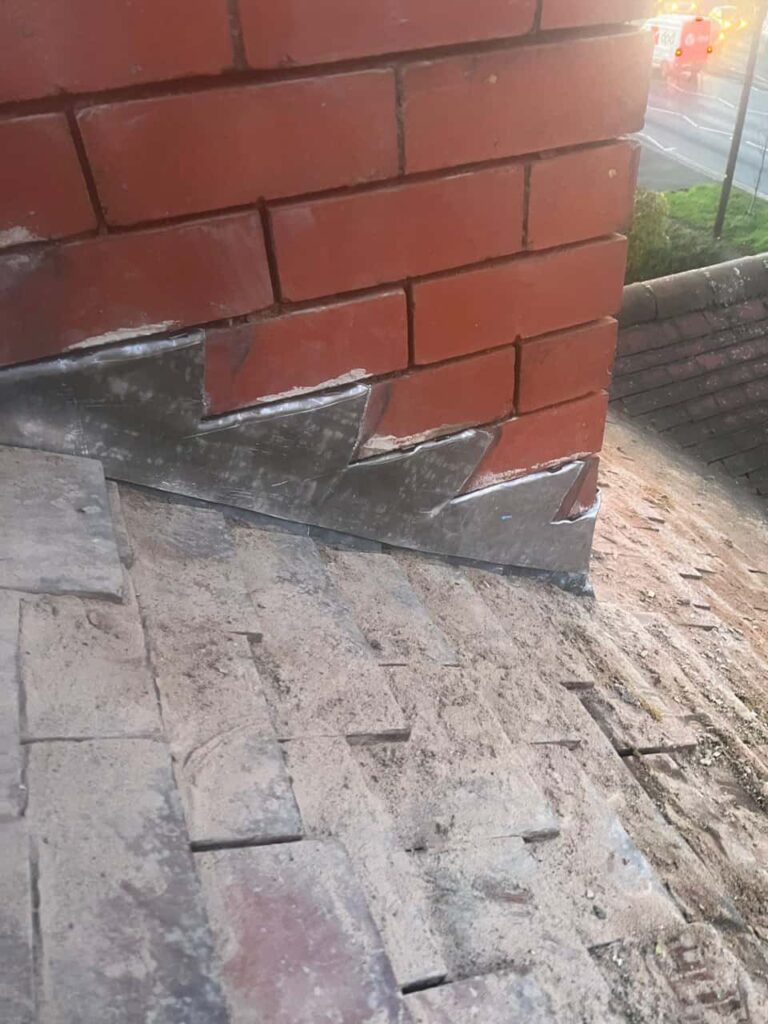
5. Chimney and Flashing Problems
Lead flashing around chimneys, valleys and roof junctions is designed to channel water away safely. Heavy rain can expose splits, lifting or poor sealing in these areas. Once flashing fails, water can track beneath the roof covering and cause internal damp patches.
6. Ponding on Flat or Low-Pitched Roofs
On flat or shallow-pitched roofs, heavy rain can lead to standing water if drainage is restricted or surfaces have settled unevenly. Ponding places additional stress on the roof covering and increases the likelihood of water finding a weak point.
Regular inspections help identify drainage issues before they become more serious.
7. Internal Damp and Condensation Issues
After heavy rainfall, moisture entering the roof space can increase humidity levels internally. This may present as damp patches, musty smells or condensation on ceilings and walls. While not always caused by a visible leak, it often indicates a roofing issue that requires professional attention.
Conclusion
Heavy rain often exposes roofing problems that may otherwise go unnoticed. From slipped tiles and blocked gutters to hidden leaks and flashing failures, early identification is key to preventing further deterioration. Regular inspections and timely repairs help ensure your roof continues to protect your property effectively.
If you have noticed any issues following recent rainfall, Knighton Roofing Repairs are here to help. We provide professional roof inspections and repair services throughout Knighton, Leicestershire, ensuring your roof remains secure, weather-resistant and dependable. Contact us today to arrange expert advice and support for your roofing needs.
Call us on: 01547 315 099
Click here to find out more about Knighton Roofing Repairs
Click here to complete our contact form and see how we can help with your roofing needs.