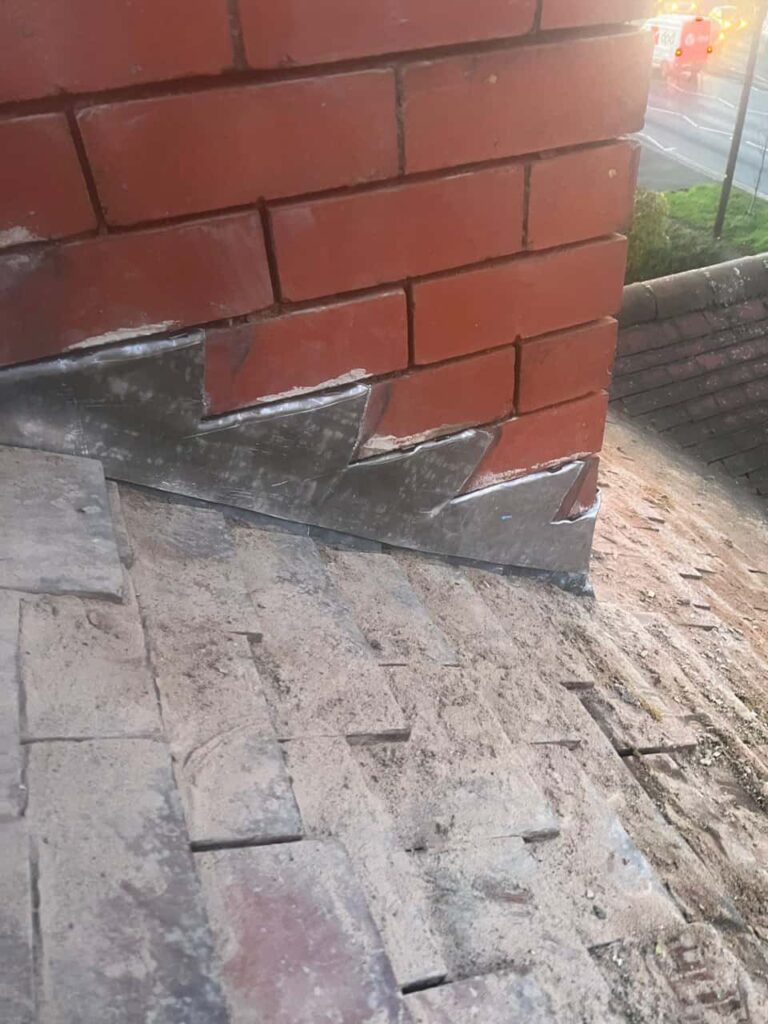
Roofing problems can vary considerably in severity. Some develop gradually and can be planned for, while others require much quicker attention because leaving them unresolved may allow water ingress, material movement or further deterioration to affect a larger section of the roof.
For homeowners in Knighton, Leicestershire, recognising the warning signs that deserve prompt professional attention can help prevent a relatively contained roofing problem from becoming more extensive. At Knighton Roofing Repairs, we assess both the visible damage and the surrounding roofing system to determine the cause of the problem and the most appropriate repair.
Why Should Certain Roof Problems Be Addressed Quickly?
A roof works as a complete system. Tiles or slates provide the main external covering, while flashing, underlay, valleys, ridges, verges and other components help manage rainfall and protect vulnerable areas.
When one part becomes damaged, neighbouring materials can become more exposed.
A relatively small opening can allow rainwater beneath the main covering, while a loose roofing component may become increasingly unstable during poor weather. Prompt repairs can help contain deterioration before additional sections become affected.
Active Roof Leaks Need Prompt Investigation
Visible water entering the property is one of the clearest signs that a roof needs attention.
You may notice:
- Water dripping during rainfall
- Damp patches appearing on ceilings
- New staining around the upper parts of walls
- Moisture within the roof space
- Dampness around roof junctions
- Existing stains becoming larger after rain
The visible internal location does not always identify the external source of the leak. Water can travel across underlay and along structural components before appearing inside.
Professional investigation is therefore important for tracing where water is actually entering.
Missing Roof Tiles Should Not Be Ignored
A missing tile creates an obvious weakness within the main roof covering.
Even where the underlay remains intact, it should not be relied upon as the primary defence against prolonged weather exposure.
A missing tile can also leave surrounding tiles more exposed at their edges. The affected area should therefore be inspected to establish whether the problem is limited to one tile or whether neighbouring materials and fixings have also been disturbed.
Several Slipped Tiles Can Indicate a Wider Problem
One displaced tile may be an isolated defect. Several slipping within the same area can suggest that something more significant is happening.
Possible causes may involve deterioration of fixings, movement within supporting materials or ageing components beneath the covering.
Simply repositioning the most obvious tile without investigating why several have moved can leave the underlying problem unresolved.
Where multiple tiles are slipping, the wider section should be professionally assessed.
Broken or Cracked Tiles Can Allow Water Through
Roof tiles do not always need to disappear completely before they become problematic.
Cracks and breakages can compromise their ability to shed rainfall correctly. The severity will depend on the position and extent of the damage, but clearly broken roofing materials should be investigated rather than left indefinitely.
Where the surrounding roof remains sound, individual damaged tiles can often be replaced without disturbing unnecessarily large areas.
Storm-Damaged Roofing Deserves an Inspection
Strong winds and severe weather can affect roofing materials in several ways.
Damage may be obvious from ground level, but not every problem is immediately visible. Tiles can move slightly without falling, while flashing, ridges and other details may also be disturbed.
After significant weather, signs worth investigating include:
- Newly displaced tiles
- Roofing materials found on the ground
- Sections that appear different from before
- New leaks following rainfall
- Loose ridge or verge components
- Damage around exposed roof edges
Professional assessment can establish whether the visible issue is isolated or part of wider storm-related movement.
Loose Ridge Tiles Need Attention
Ridge tiles occupy an exposed position at the highest point of many pitched roofs.
If they become loose, cracked or displaced, the affected area can become vulnerable to further deterioration. Movement may also indicate that the material securing the ridge has deteriorated.
A loose ridge should be assessed as part of the complete ridge line rather than treating only the most visibly affected section.
Damaged Flashing Can Cause Persistent Leaks
Flashing protects vulnerable junctions where different parts of the roof meet.
When it becomes loose, cracked, displaced or otherwise deteriorated, rainfall can find its way into gaps that should remain protected.
Flashing defects can sometimes cause leaks that appear some distance from the actual entry point, making them difficult to diagnose from inside the property.
Prompt professional repair can help restore the integrity of the junction before repeated water exposure affects surrounding components.
Valley Problems Can Develop Quickly
Roof valleys handle concentrated volumes of rainwater because they receive runoff from adjoining roof slopes.
This makes their condition particularly important.
Damage, deterioration or displacement within a valley can interfere with the way rainfall is directed away from the roof. Because so much water passes through these areas, a defect can become particularly noticeable during periods of heavy rain.
New staining or leaks beneath a valley area should therefore be investigated promptly.
Sagging or Noticeable Changes in Roof Shape Need Assessment
A roof should maintain a reasonably consistent structural profile.
If a section appears to be sagging or has noticeably changed shape, the cause should be professionally investigated rather than treated as a cosmetic issue.
Visible distortion can potentially involve more than the external roof covering, so determining what has changed and why is important before deciding on any repair.
A structural-looking change should not be approached in the same way as replacing a single cracked tile.
Damage Around Roof Penetrations Can Allow Water In
Areas where pipes, vents and other features pass through the roof require careful weatherproof detailing.
If the surrounding materials deteriorate, gaps can develop that allow rainfall beneath the covering.
Leaks associated with these areas can sometimes be difficult to identify because the water may travel before appearing internally.
The complete detail around the penetration should therefore be checked rather than simply treating the visible damp patch inside.
Flat Roof Blisters, Splits and Open Joints Should Be Checked
Flat roofing has different construction details from pitched roofing, but visible deterioration should still receive appropriate attention.
Splits, open seams, damaged edges or significant surface changes can affect the roof’s ability to remain weather-resistant.
Standing water may also highlight low areas or changes in the roof surface that deserve investigation.
The appropriate repair depends on whether the problem is localised or whether deterioration is present across a wider section.
Repeated Leaks Should Not Be Treated as Normal
A leak that keeps returning deserves a broader assessment.
If the same area has already been repaired but water ingress continues, several possibilities need to be considered. The original entry point may have been incorrectly identified, another defect may be present nearby, or deterioration may extend further than initially thought.
Repeatedly treating the internal symptom or applying another temporary patch may not resolve the cause.
Recurring leaks are a strong reason to investigate the complete affected section of the roof.
When Is a Roof Problem More Urgent?
Some signs should encourage homeowners to arrange professional attention sooner rather than waiting for routine maintenance.
These include:
- Active water ingress
- Missing or significantly displaced tiles
- Multiple slipping tiles
- Loose roofing components
- Significant storm damage
- Sagging or visible structural changes
- Major flashing or valley defects
- Rapidly worsening internal dampness
- Damage affecting a large roof section
The aim is not to assume that every defect requires major roofing work. It is to prevent potentially significant problems from remaining exposed unnecessarily.
Avoid Trying to Inspect the Roof Yourself
It can be tempting to climb onto a roof to identify the problem, particularly when the damage appears straightforward.
However, roofing surfaces can be slippery, fragile or unstable, and damage may not be visible from the position you expect.
A professional roofer can inspect the relevant areas using appropriate equipment while also assessing details that may be overlooked from ground level or inside the property.
Does Urgent Damage Always Mean a New Roof Is Needed?
No. A problem requiring prompt attention does not automatically mean the complete roof needs replacing.
A missing tile, damaged flashing detail or localised storm defect may be repairable where the surrounding roofing system remains serviceable.
More extensive work may become appropriate where assessment identifies widespread deterioration, repeated failures or substantial problems affecting multiple components.
The extent of the solution should be determined by the actual condition of the roof rather than the urgency of one visible symptom.
Why Accurate Diagnosis Matters
A successful roof repair should deal with the cause of the problem rather than simply hiding its most obvious sign.
At Knighton Roofing Repairs, we provide professional roofing services throughout Knighton, Leicestershire, assessing the affected area alongside relevant surrounding components.
Depending on the problem, this can involve considering the condition of tiles, flashing, valleys, ridges, roof junctions and underlying materials. This wider approach helps determine whether targeted repair work is appropriate or whether deterioration requires more substantial attention.
Early Repairs Can Protect Sound Roofing
One of the main advantages of responding promptly to roof damage is the opportunity to protect areas that remain in good condition.
If a localised defect is allowed to expose surrounding components repeatedly to the weather, deterioration can become more extensive.
Timely professional repair can restore the affected section while preserving serviceable roofing wherever possible.
This makes early intervention an important part of maintaining the useful life and dependable performance of an existing roof.
Conclusion
Roof damage needs prompt attention when it compromises weather protection, involves loose or displaced materials, causes active water ingress or suggests that part of the roofing system has become unstable.
Missing tiles, recurring leaks, damaged flashing, valley defects, storm damage, loose ridge materials and noticeable changes in the roof’s shape should all be professionally assessed rather than ignored. Importantly, urgent attention does not necessarily mean complete roof replacement; many problems can remain localised when identified and repaired appropriately.
If you have noticed concerning roof damage at your property in Knighton, Leicestershire, Knighton Roofing Repairs can inspect the affected area and determine the most appropriate solution. Contact our team to arrange a professional roof assessment and ensure developing problems receive the attention they need.
Call us on: 01547 315 099
Click here to find out more about Knighton Roofing Repairs
Click here to complete our contact form and see how we can help with your roofing needs.